 Bolivia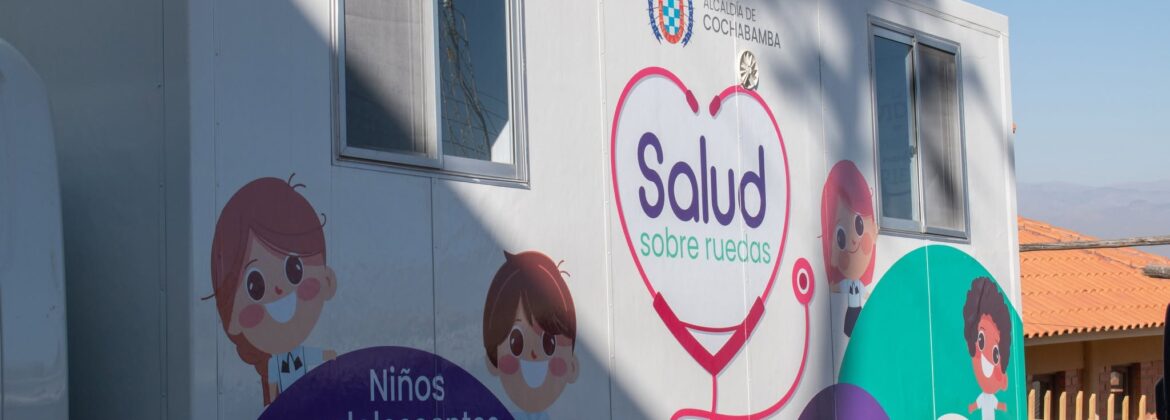
“Health on Wheels”: Bringing Health Services Closer to Those Who Need Them Most
Ensuring access to quality health services is a challenge for thousands of families living in peri-urban areas of the municipality of Cochabamba. Aware of this reality, in 2022, Save the Children, in partnership with the Health Secretariat of the Autonomous Municipal Government of Cochabamba, proposed the “Health on Wheels” project to Global Sponsorship Operations. This innovative initiative was designed to expand primary healthcare coverage and strengthen the response capacity of the municipal health system for the benefit of the most vulnerable populations.
With an investment of around US$100,000, a mobile clinic was equipped to provide primary healthcare services directly in communities. The unit offers general medical care, dental care, vaccination and micronutrient distribution, contributing to disease prevention and the promotion of healthy habits.
In addition, the unit is equipped with an external monitor that makes it possible to carry out education and awareness-raising activities through audiovisual materials on maternal health, oral health and other topics.
The interventions are coordinated with the municipality’s health centers, ensuring efficient planning of visits and proper coordination with the public health network.
The service was launched in March 2024 and, by April 2026, achieved the following:
- 6,403 medical consultations
- 10,236 dental consultations
- 389 vaccinations
In total, more than 17,000 health services were provided to children, adolescents and families from communities with limited access to healthcare.
Each patient’s information is integrated into the records of the corresponding health centers, strengthening continuity of care, case follow-up and the proper management of supplies, medicines and human resources.
With the aim of expanding the reach and sustainability of the initiative, the Municipal Government of Cochabamba established an alliance with Franz Tamayo University (UNIFRANZ), through which students attending last year of Dentistry carry out supervised internships, supporting the care provided by the mobile unit.
This coordination between local government, academia and international cooperation is an example of how partnerships can help strengthen local health systems and bring essential services closer to those who need them most.